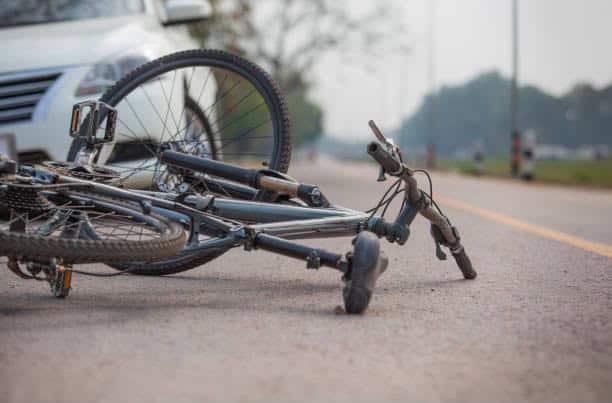
Savannah, Georgia, is a city celebrated for its scenic streets, historic architecture, and bike-friendly avenues that attract both residents and tourists. However, with its busy roads and bustling traffic, bicycle accidents are unfortunately a common occurrence.
If you’ve been injured while cycling, building a strong legal claim can significantly impact your ability to receive fair compensation. Working with an experienced bicycle accident lawyer at Hasner Law can help ensure that every piece of critical evidence is properly documented and utilized to support your case.
The success of a bicycle accident claim often depends on the quality and completeness of the evidence collected. From accident reports to medical records, having a well-documented claim can make a significant difference during negotiations or court proceedings.
1. Police Reports
A police report is one of the most important pieces of evidence in any bicycle accident claim. It provides an official record of the incident, including the time, location, involved parties, and any citations issued. Police reports can also include witness statements and officer observations, which carry weight when proving fault. Always request a copy of the report promptly, as it will be an essential part of your case file.
2. Medical Records and Bills
Medical documentation is critical to establishing the severity of your injuries. Records from hospitals, clinics, and specialists not only show treatment received but also demonstrate the connection between the accident and your injuries. Keep copies of medical bills, prescriptions, and rehabilitation records, as they provide concrete proof of expenses and the ongoing impact of the accident on your health.
3. Photographs and Videos
Visual evidence can strongly support your claim. Take photos of the accident scene, road conditions, traffic signs, and your bicycle if damaged. Pictures of visible injuries are also helpful. If there are nearby surveillance cameras or dashcams that captured the accident, securing that footage can be highly persuasive in proving liability.
4. Witness Statements
Eyewitness accounts can provide credibility to your version of events. If anyone saw the accident, ask them to give a statement describing what they observed. This could include pedestrians, drivers, or even other cyclists. Having corroborating testimony can strengthen your case, particularly if the other party disputes fault.
5. Expert Reports
In certain cases, expert testimony can clarify complex aspects of your claim. Accident reconstruction specialists, engineers, or medical experts can provide insight into the cause of the crash, the dynamics involved, or the long-term effects of your injuries. While not always required, expert reports can greatly enhance the persuasiveness of your case.
6. Personal Documentation
Keeping a personal record of your experience can also be beneficial. Write down your recollection of the accident as soon as possible, including details about how it happened, your injuries, and any conversations with witnesses or the other party involved. Journals or logs detailing pain, mobility limitations, and emotional impact can help demonstrate the ongoing consequences of the accident.
7. Insurance and Communication Records
Document all interactions with insurance companies, including emails, letters, and phone call notes. Insurance representatives may request statements, and having a clear record ensures nothing is misrepresented or misinterpreted. Your lawyer can help manage these communications to protect your interests.
Key Takeaways
- Police reports, medical records, and photographs are foundational pieces of evidence in bicycle accident claims.
- Witness statements and expert reports can provide crucial support when liability or injury severity is disputed.
- Personal logs and documentation of communication help demonstrate the ongoing impact of injuries and prevent misrepresentation.
- Working with an experienced bicycle accident lawyer ensures that all evidence is collected, preserved, and presented effectively, improving the chances of a favorable outcome.