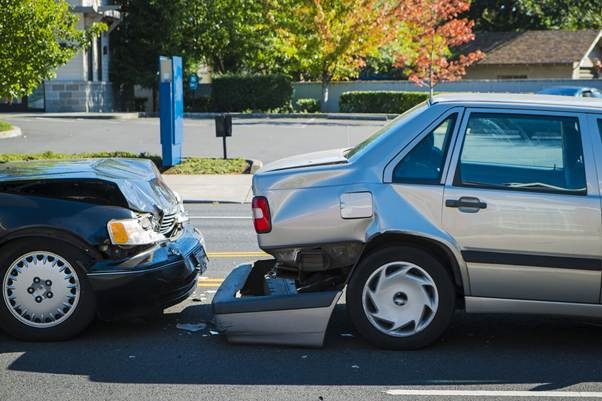
In the U.S., the National Highway Traffic Safety Administration estimates there are over six million car crashes every year, many of which happen right in front of unsuspecting witnesses. Witnessing an accident unfold is stressful, but knowing what steps to take after witnessing a collision can make a significant difference.
Let’s get going:
1. Start with Your Own Safety
Your first reaction might be to rush in and help, but stop and check your surroundings. If you’re driving, pull over to a safe spot before getting out. Turn on your hazard lights. Don’t slam your brakes or stop in the middle of traffic; it could cause another accident.
If you’re walking nearby, stay off the road and keep your distance from the wreck. You’re not helping anyone by becoming another victim.
2. Look, Don’t Leap
Take a quick scan of the scene. Are there flames, leaking gas, or cars still moving? Are people getting out safely? A few seconds of awareness can help you determine the safest way to assist and what to report to emergency services.
If you spot something dangerous like smoke or downed power lines, keep everyone back and wait for professionals.
3. Call 911
Even if someone else looks like they’re calling, make the call anyway. Give clear details: where you are (cross streets, nearby landmarks, mile markers), how many vehicles are involved, and whether anyone looks hurt. In Las Vegas, dispatchers are used to busy traffic scenes, so they’ll walk you through what to do next.
Stay calm and speak slowly. It helps more than you think.
4. Offer Help Only If It’s Safe
If it seems safe to approach, do it carefully. Don’t run or crowd the vehicles. You can:
● Ask if everyone’s okay.
● Reassure them that help is on the way.
● Tell injured people not to move unless there’s a fire or another danger.
You don’t need to be a hero or play doctor. Sometimes, just being a calm voice nearby can make all the difference.
5. Take Mental Notes
If you can, jot down or record quick details while you wait for help:
● The time and exact place of the crash.
● The colors, models, and license plates of the vehicles.
● What you saw right before and after the collision.
Your memory is freshest right after it happens, and your account might help police later.
6. Keep Other Drivers Safe
If it’s a busy area, turn on your hazard lights, wave traffic away, or use reflective triangles if you have them. You’d be surprised how often a second crash happens because someone doesn’t see the first one in time—especially on crowded Vegas roads at night.
7. Stick Around for the Cops
Unless the scene becomes unsafe, stay until officers arrive. They’ll probably want to hear what you saw. Try to be factual—don’t guess or fill in blanks. When you’ve provided your statement and contact information, you can leave knowing you’ve done the right thing.
8. Take Care of Yourself Too
Even if you weren’t in the accident, watching one can shake you up. It’s normal to feel uneasy for a while. Talk about it with someone—don’t just brush it off. You acted when it mattered, and that counts for something.
Quick Recap
● Stay safe before stepping in.
● Look over the scene from a distance.
● Call 911 immediately.
● Offer calm, simple help.
● Note key details for the police.
● Warn other drivers if needed.
● Stay until help arrives.
● Give yourself time to process afterward.
Accidents are unpredictable, but your reaction doesn’t have to be. Whether you’re driving down Las Vegas Boulevard or waiting at a red light, staying calm, thinking clearly, and acting safely can genuinely make a difference in someone’s worst moment.